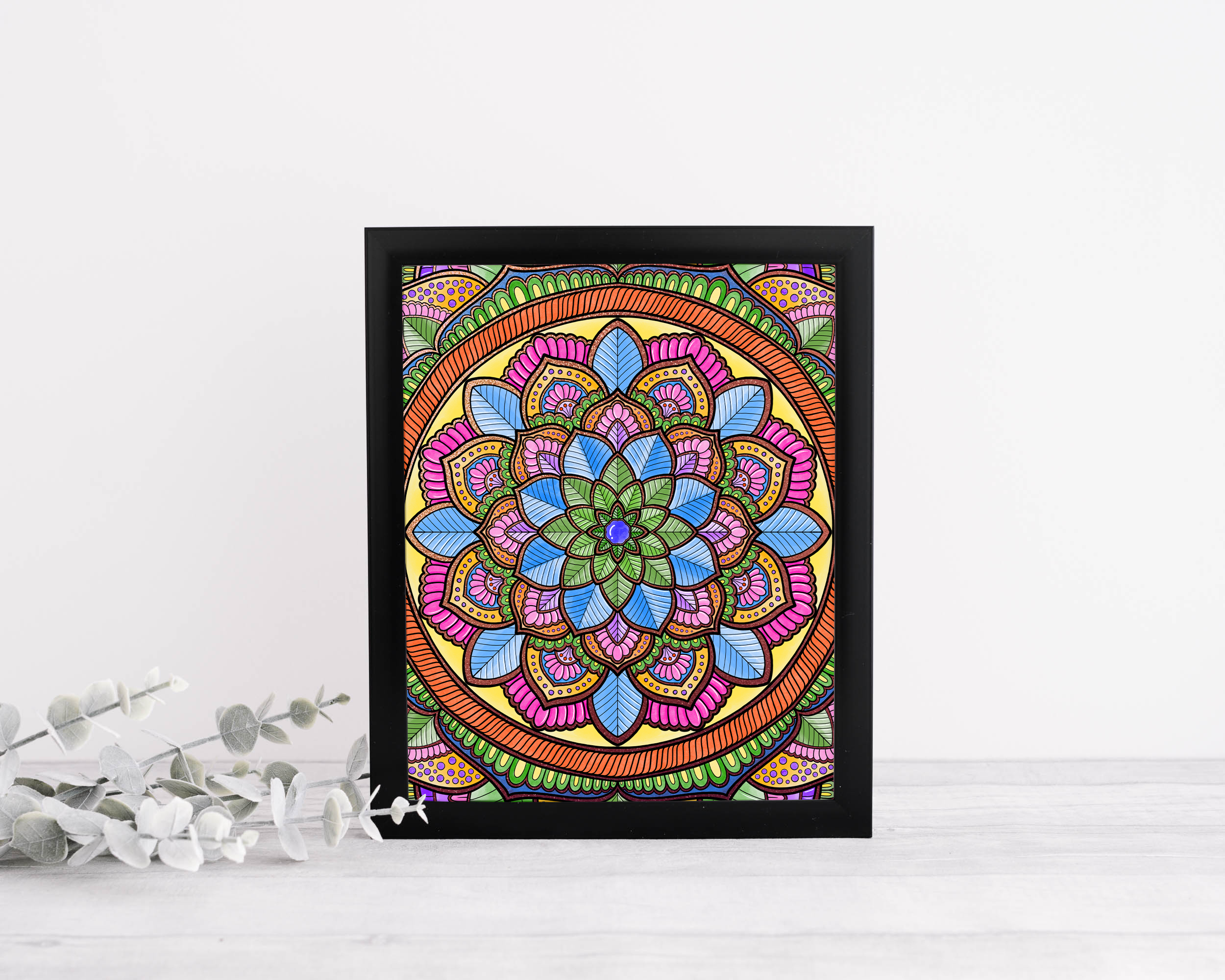
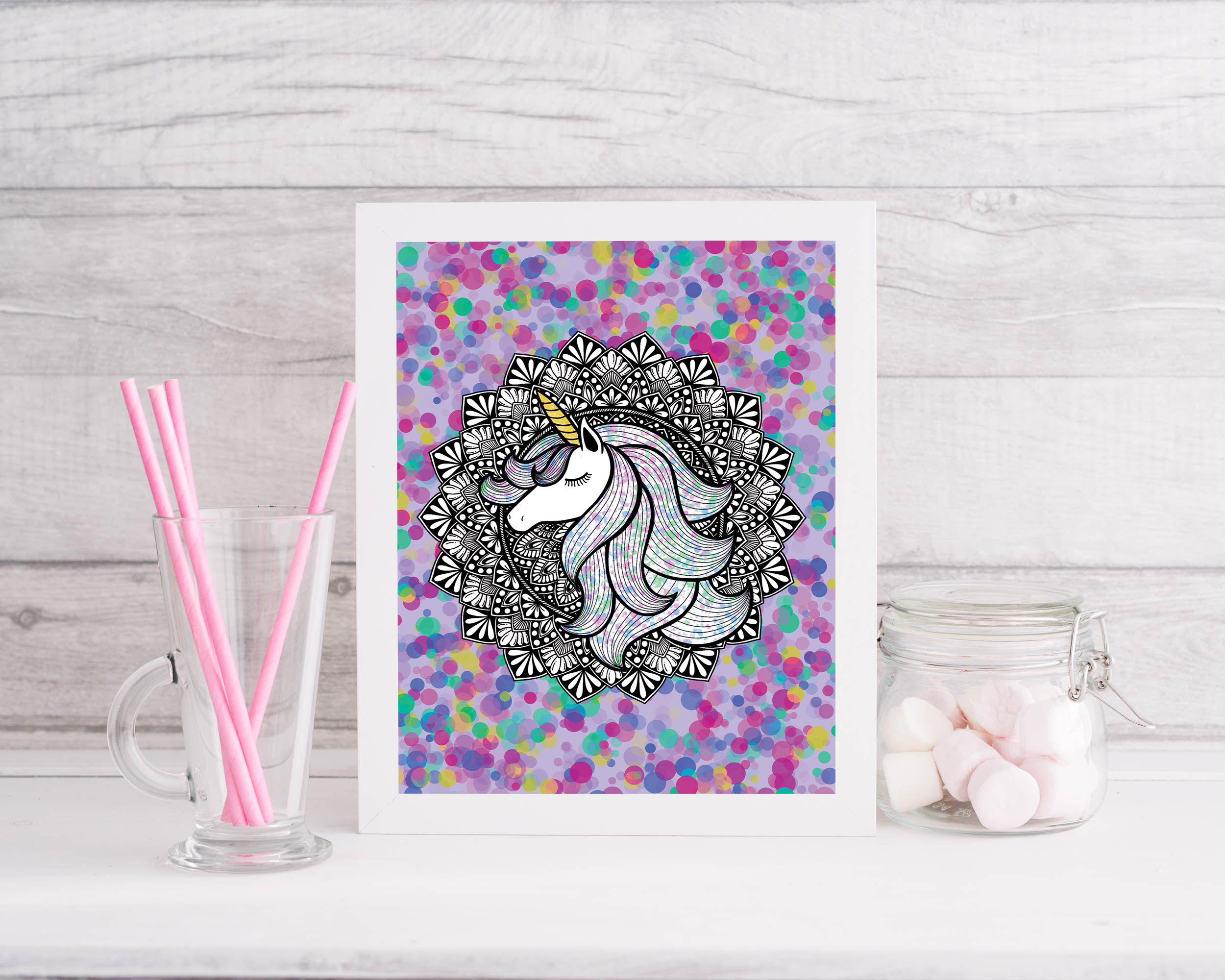
Let us start with the word itself. Phygital is a portmanteau — physical plus digital — and it first appeared not in art at all, but in retail and marketing in the early 2010s. Brands were trying to describe experiences that merged the convenience of online shopping with the sensory richness of physical stores: QR codes in shop windows, touchscreens in fitting rooms, apps that let you visualise furniture in your home before buying it.
The art world borrowed the term and deepened it considerably. In a creative context, phygital does not just describe a product that comes with a digital component. It describes a whole philosophy of making — one that refuses to treat the physical and digital as competing modes, and instead uses each to amplify what the other cannot do alone.
At Shine Design Blossom, phygital is not a marketing term. It is the most accurate description of what we actually do, every day, in our studio. This article is our attempt to explain it clearly — for collectors, for fellow artists, and for anyone who has wondered what the word means and why a growing number of artists have built their entire practice around it.
The Simple Definition
Phygital art is artwork that intentionally and meaningfully exists in both the physical and digital worlds — not as two separate versions of the same thing, but as a single work that draws on both to become more than either could be on its own.
This is an important distinction. A painting that gets photographed and posted on Instagram is not phygital art — the digital presence is incidental, a photograph of a physical object. Similarly, a digital illustration that gets printed and sold as a poster is not inherently phygital — the physical print is just a delivery mechanism for a digital file.
Phygital art is something more deliberate than either of these. The physical and digital elements are both essential, both intentional, and both contribute something that the other cannot provide. Remove either dimension and the work is diminished in a specific, describable way.
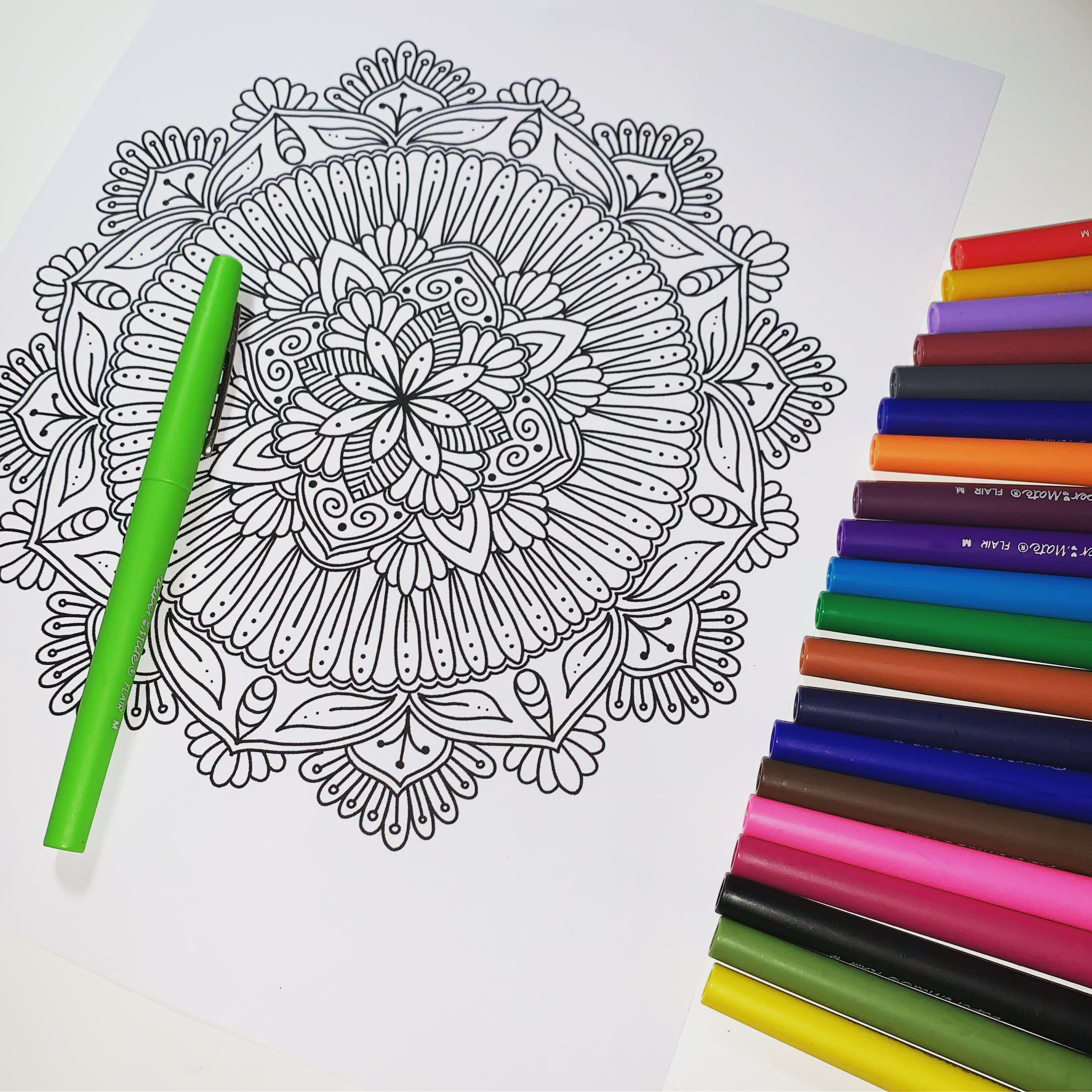
The physical dimension: ink, paper, and the irreplaceable human hand.
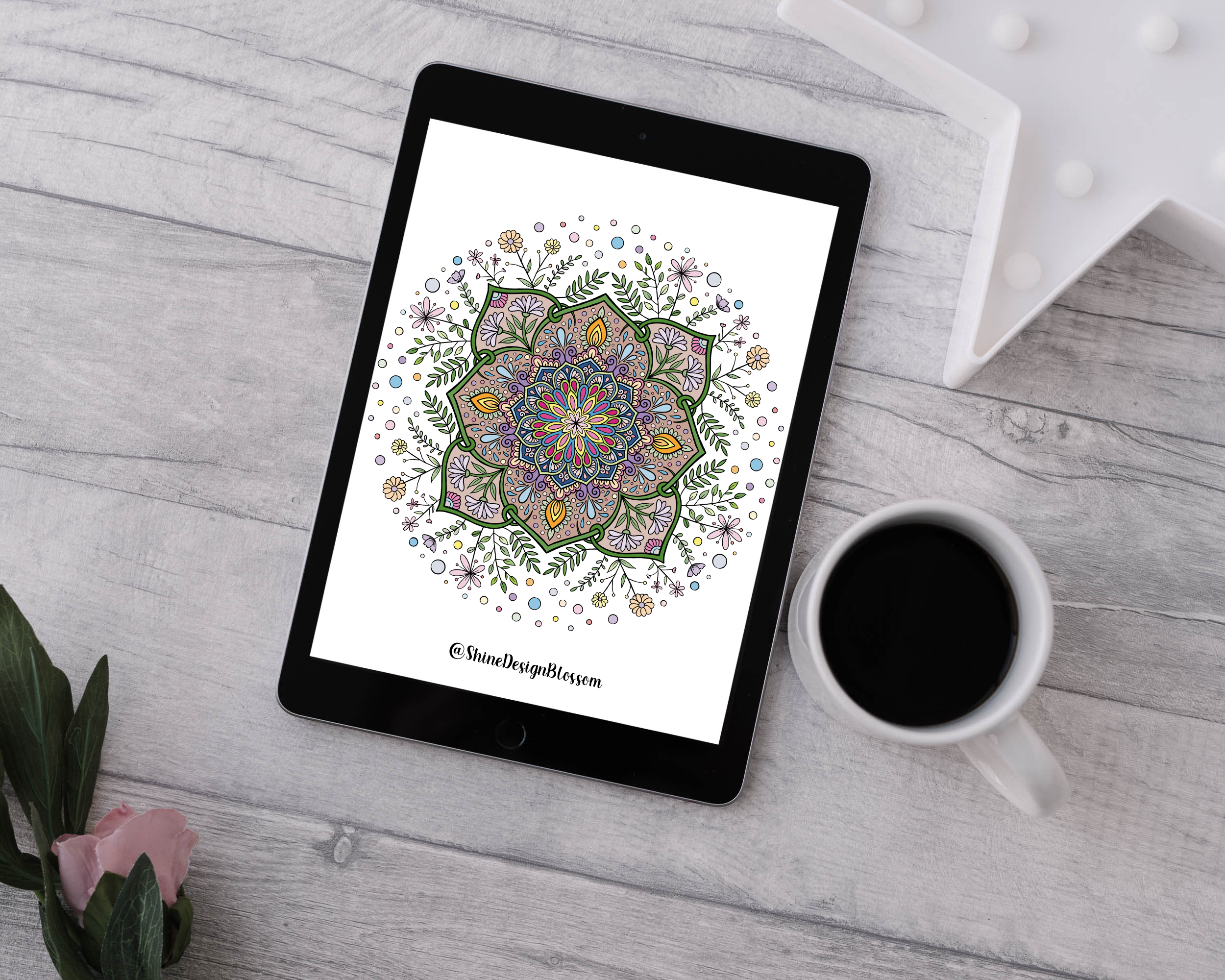
The digital dimension: scale, colour exploration, and infinite reach.
Where the Physical World Excels
The physical world offers things that no screen can currently replicate. Texture — the grain of cold-press watercolour paper, the slight relief of a fineliner line sitting above the surface, the way light catches differently on a matte print versus a metallic foil finish. Weight — the heft of a ceramic piece, the satisfying resistance of high-gsm paper stock. Presence — the way a large artwork changes the energy of the room it inhabits, something that a digital display, however high-resolution, has not yet achieved in the same way.
Perhaps most importantly, the physical world offers permanence of a specific kind. A painted or printed work does not require electricity, software updates, or network connectivity to exist. It simply is — on your wall, on your shelf, in your hands — and it will still be there in a hundred years in a way that a digital file, dependent on ever-changing formats and platforms, may not be.
The physical work carries the warmth of the hand that made it. That warmth does not transfer to a screen, no matter the resolution.
Where the Digital World Excels
The digital world has its own irreplaceable strengths. Reach — a digital work can be seen by anyone, anywhere, instantly, without the constraints of geography or gallery access. Flexibility — a digital file can be reproduced at any scale, adapted for any surface, explored in colour variations that would require weeks of physical reworking. Interactivity — digital works can respond to touch, movement, and time in ways that static physical media cannot.
The digital world also enables a precision that complements rather than competes with the organic qualities of physical making. Where a brush creates beautiful unpredictability, a vector tool creates exact symmetry. Where a wash blooms and spreads with a mind of its own, a digital layer can be controlled to the pixel. Used thoughtfully together, these qualities produce work with a richness that neither pure approach can generate alone.
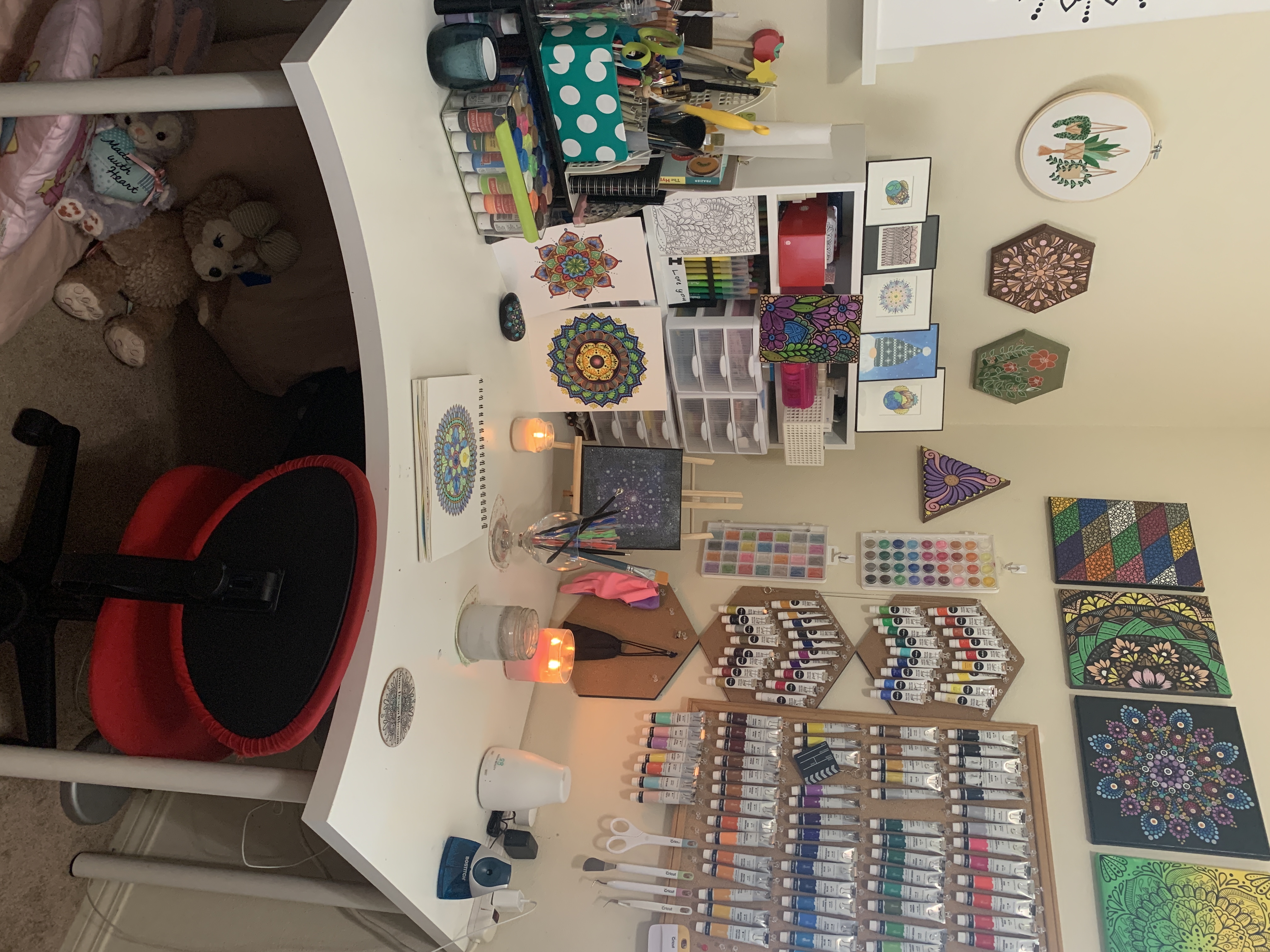
A phygital studio does not choose between tools. It uses all of them, in conversation with each other.
Three Ways Phygital Manifests in Art
Phygital is not a single technique — it is a broad category that encompasses several distinct approaches. Here are the three most common ways it shows up in contemporary art practice.
1. Physical Creation, Digital Refinement
The artist begins by hand — drawing, painting, printing, sculpting — and then brings the work into a digital environment for refinement, colour exploration, or adaptation. The physical act of making establishes the foundational character of the work; the digital phase expands its possibilities without erasing its origin. This is the approach we use at Shine Design Blossom: every piece begins with ink on paper, and the digital work that follows is always in service of that physical origin.
2. Digital Creation, Physical Output
Here the process is reversed. The work is conceived and executed digitally — through generative algorithms, vector illustration, 3D modelling, or digital painting — and then given physical form through archival printing, laser cutting, ceramic transfer, or other manufacturing processes. The physical output is not a photograph of a digital work; it is the digital work translated into a medium that can inhabit space.
3. Simultaneous Dual Existence
The most complex form: a work that exists in physical and digital forms simultaneously, where both versions are equally primary and neither is a reproduction of the other. An installation where a hand-sculpted object is paired with a generative digital twin that evolves in real time. A print series where each physical piece is paired with an NFT that contains embedded documentation of its making. A ceramic tile whose glaze pattern was generated by an algorithm responding to real-world weather data on the day it was fired. These works resist the idea that one form is the "original" — both are original, and the tension between them is part of the meaning.
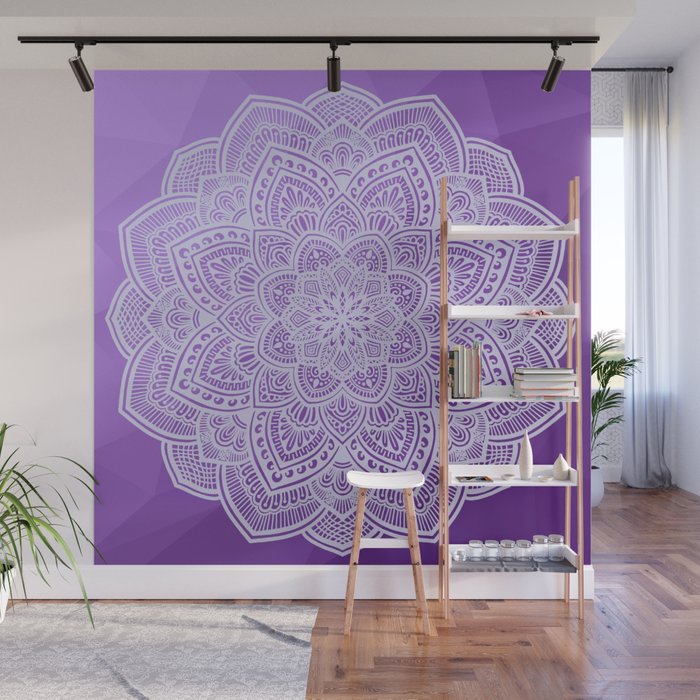
When phygital art hangs on a wall, it carries the memory of its digital life without showing the seams.
Why Artists Are Moving in This Direction
The shift toward phygital practice is not driven by novelty or trend-chasing. It is driven by practical and philosophical pressures that artists in every medium are experiencing simultaneously.
On the practical side: digital tools have become genuinely excellent. Software for illustration, generative art, 3D modelling, and image manipulation has reached a level of capability that makes it creatively competitive with physical media rather than merely supplementary to it. At the same time, high-quality archival printing has become accessible at scales and price points that were unimaginable fifteen years ago. The infrastructure for phygital practice exists now in a way it simply did not before.
On the philosophical side: artists are increasingly questioning the binary between "real" art (physical, authentic, scarce) and "digital" art (reproducible, screen-bound, somehow less serious). Phygital practice dissolves this binary by insisting that the question is not which medium is more legitimate, but what each medium contributes to the specific work being made. It is a more honest question, and it tends to produce more interesting answers.
What This Means for Collectors
If you are new to collecting art and are encountering phygital work for the first time, the practical questions are reasonable ones. What exactly am I buying? What form does this work take? Is the print the "real" version, or is the digital file?
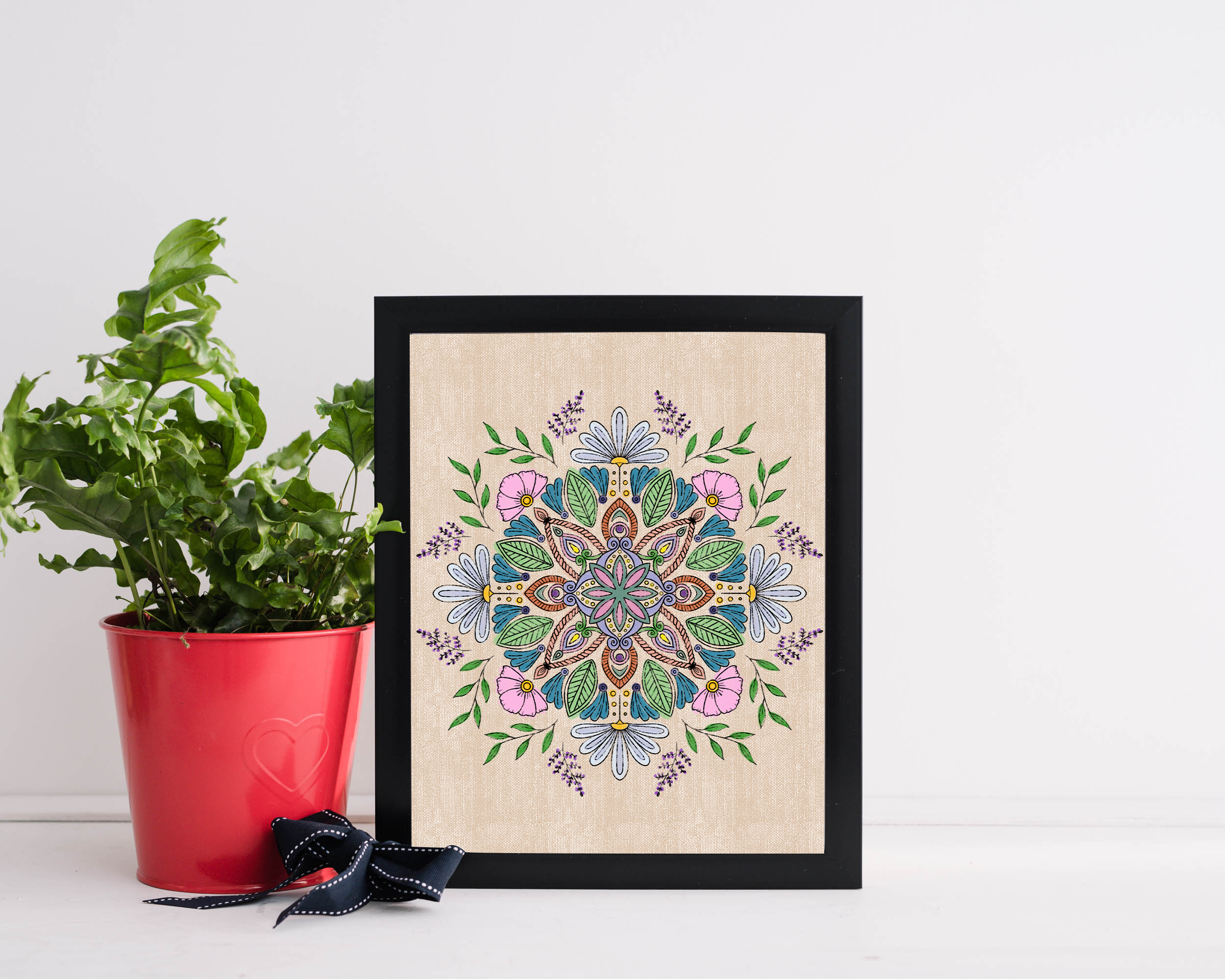
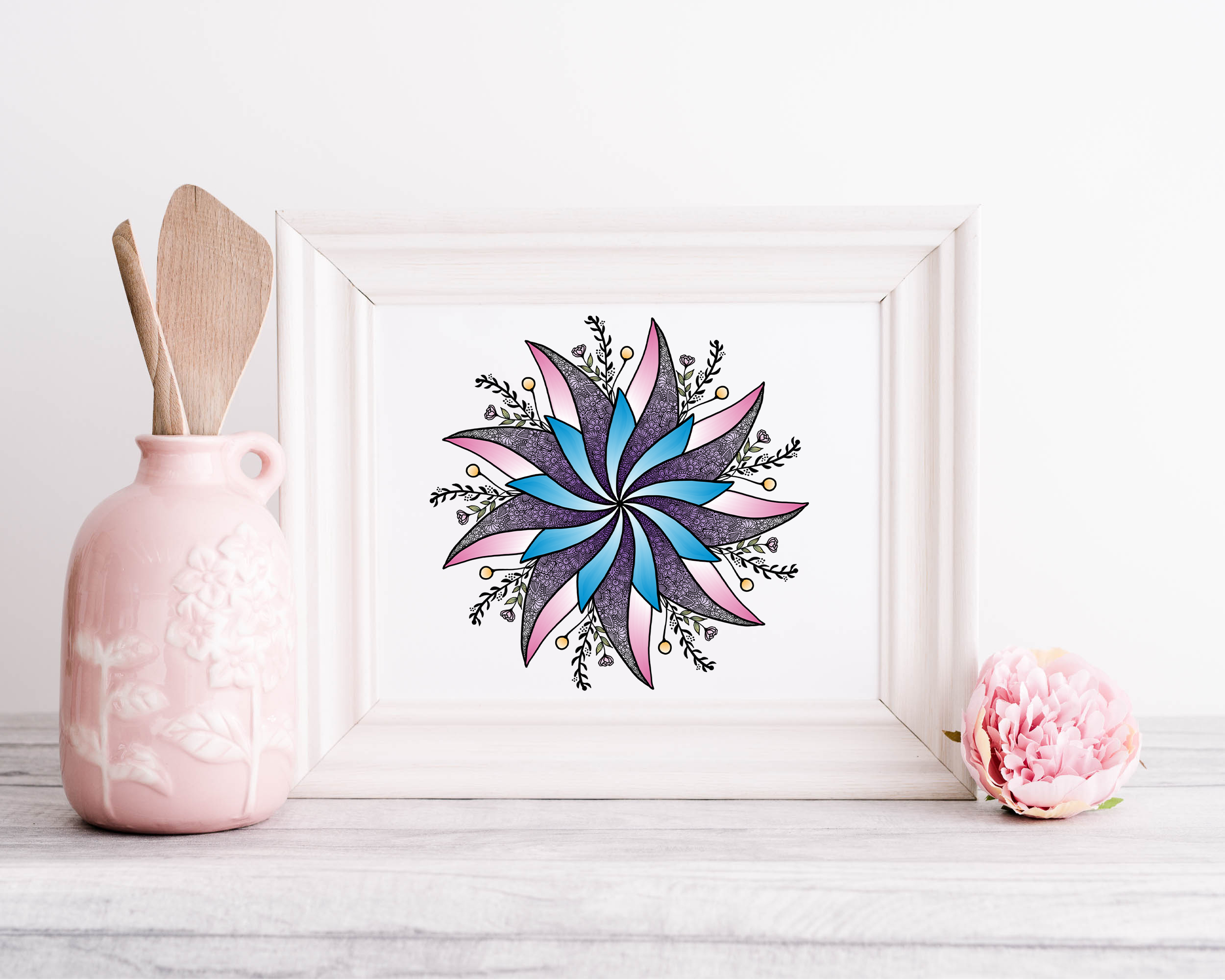
The answer depends on the specific artist and work, but a useful general principle is this: with phygital art, you are collecting a relationship between forms, not a single object. When you buy one of our archival mandala prints, you are acquiring a hand-drawn work that has been through a digital refinement process — and the physical print is the final, permanent manifestation of that journey. The digital file is not a separate product being withheld from you; it is the tool through which the physical piece was brought to its finished state.
Some phygital artists do offer both forms — a physical work and its digital counterpart — as a paired acquisition. NFT-backed physical works, where the token provides a certificate of authenticity and documentation of the making process, are one increasingly common expression of this. At Shine Design Blossom, our Nexus Exclusives operate in this space: physical sculptures and pieces paired with digital certificates that carry the full history of the work.
Is All Digital Art Phygital?
No — and this is an important distinction worth being clear about. Digital art that exists only on screen, that is designed for screen viewing and has no meaningful physical dimension, is digital art. There is nothing wrong with this; it is a legitimate and rich category. Phygital specifically implies an intentional, meaningful bridge between the physical and digital, where both dimensions are doing real work.
Similarly, traditional art that is photographed and shared online is not phygital. The digital presence is incidental — a documentation tool — rather than an integral part of the work's identity and meaning.
Phygital art occupies the space where the artist has made a conscious decision to let both worlds contribute to the work, and where that decision is visible in the result.
Where Phygital Art Is Going
The direction is clear and, we think, exciting. As digital fabrication tools — 3D printing, CNC cutting, generative ceramic glazing, archival large-format printing — continue to improve and become more accessible, the conversation between physical and digital making will deepen. Works that would have required industrial facilities a decade ago can now be produced in a studio. The range of physical forms that digital processes can generate is expanding constantly.
At the same time, the cultural appetite for objects — for things you can hold, hang, and live with — has not diminished with the growth of digital culture. If anything, it has intensified as a counter-weight to the increasingly screen-saturated texture of daily life. People want art on their walls, not just on their feeds. Phygital art meets both needs: it has the reach and flexibility of digital work, and it produces objects with the presence and permanence that physical art has always offered.
We are, at Shine Design Blossom, deeply invested in this conversation — not because it is the fashionable direction, but because it is the most honest description of how we have always worked, and how we believe the most interesting art will continue to be made.